

Horizontal Flat-Bottom Eccentric Half-Ball Valve: Solving the Problem of Deposits in High-Turbidity Media Through Structural Innovation
Release time: 2026-11-16 16:07:59
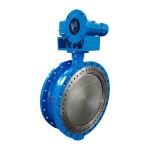
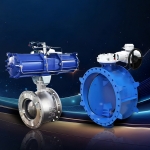
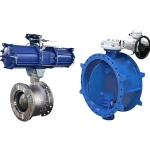
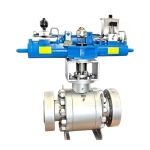
In the fields of municipal water supply and drainage, as well as slurry transportation in mining, sediment buildup inside valve cavities and wear on sealing surfaces have long been a challenge for operations and maintenance personnel. When traditional valves operate in horizontal pipelines, particulates in the medium tend to accumulate at the bottom of the valve body, leading to sticking during opening and closing and seal failure. To address this operational challenge, CTV Valve Technology Co., Ltd. has introduced the horizontal flat-bottom eccentric half-ball valve. By combining a flat-bottom flow path design with the principle of eccentric sealing, it provides a more targeted fluid control solution for pipelines carrying sewage, slurry, and highly turbid water.
Flat-Bottom Structure: Eliminating Deposition Dead Zones at the Source
In horizontal installation scenarios, the bottom of the valve body is often the area where silt and particulates in the medium are most likely to accumulate. Once deposits solidify, they not only increase the resistance to opening and closing but also scratch the sealing pair, shortening the valve’s service life. The core improvement of this horizontal flat-bottom eccentric half-ball valve lies in the flat-bottom design at the bottom of the valve chamber, which eliminates the material accumulation zones commonly found in the curved grooves of traditional valve bodies. As the medium flows through the valve chamber, the passage remains unobstructed, making it difficult for particulates to adhere and settle, and significantly reducing flow resistance. For wastewater treatment plants and mining slurry pipelines requiring long-term continuous operation, this structure reduces the frequency of maintenance-related shutdowns caused by sedimentation at the source.
Eccentric Opening and Closing: Friction at the Sealing Surface Approaches Zero
The technical logic behind the eccentric half-ball valve lies in “instantaneous contact during opening and closing, and complete separation throughout the rest of the stroke.” There is a radial offset between the valve stem axis and the geometric center of the half-ball’s sealing surface. When the valve opens, the ball rapidly separates from the seat, and the sealing pair remains in a non-contact state for the vast majority of the opening and closing stroke. Only at the very moment of full closure does an eccentric wedging action press the ball surface firmly against the seat, achieving a metal-to-metal hard seal. The direct benefit of this principle is a significant reduction in opening and closing torque, resulting in effortless operation, while seal face wear is kept to an extremely low level. Even with long-term use in media containing solids, the durability of the sealing pair far exceeds that of conventional ball valves, which remain under constant compression.
Materials and Customization: Practical Configurations for Harsh Operating Conditions
To address the dual challenges of erosion and corrosion in media such as sewage, slurry, and power plant ash removal, this valve offers flexibility in the selection of sealing pair materials. The valve plug and seat can be overlaid with different alloys to meet wear- or corrosion-resistance requirements, resulting in significantly improved sealing surface hardness and anti-seizing performance compared to conventional stainless steel materials. The flat-bottomed flow channel, combined with the eccentric self-cleaning feature, allows the valve to use the flow velocity of the medium to flush away residues from the sealing surfaces the moment it opens, thereby reducing scale buildup and maintaining sealing stability. From municipal water supply and drainage networks to mine tailings conveyance and power plant hydraulic ash removal systems, this design has demonstrated a clear operational rationale for its adaptability to high-turbidity, particulate-laden media.
Conclusion
The reliability of valve products is often reflected in their ability to address the “contamination, abrasion, and clogging” issues inherent in specific operating conditions. CTV Valve Technology Co., Ltd. has specialized in the field of eccentric ball valves for many years. The launch of the horizontal flat-bottom eccentric ball valve is not merely a pursuit of accumulating technical specifications, but rather a structural solution addressing the practical challenge of sedimentation and seal wear caused by highly turbid media in horizontal pipelines. As municipal and industrial piping systems trend toward longer service life and reduced maintenance, product improvements like this—which focus on flow path geometry and opening/closing mechanics—deserve the industry’s attention.
More news recommendations